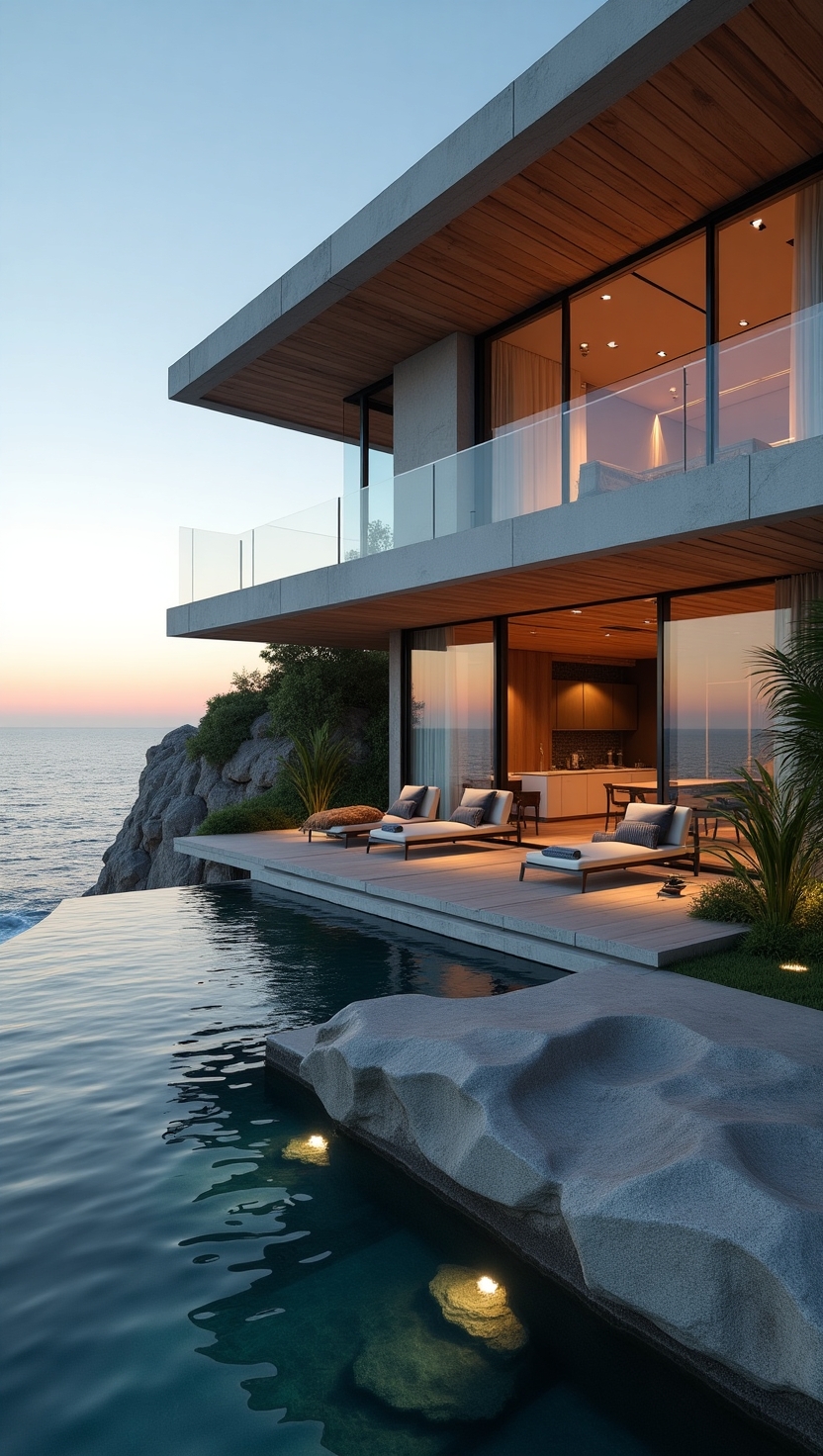
Innovative Strategies for Interior Designers to Master Coastal Elegance
Introduction
Waterfront luxury homes are synonymous with breathtaking views and serene living, but their unique environmental and structural demands pose significant challenges for interior designers. As demand for these properties grows, designers must balance aesthetics, functionality, and sustainability. Enter AI—a game-changer offering tools to tackle these hurdles with precision. This article explores lesser-known design obstacles and reveals cutting-edge AI solutions to elevate your waterfront projects.
Design Challenges in Waterfront Homes
- Environmental Factors
- Humidity, saltwater corrosion, and temperature fluctuations can degrade materials, warp furniture, and foster mold.
- Flood risks and erosion demand resilient, elevated structures.
- Material Durability
Traditional luxury materials (e.g., untreated wood, certain metals) may fail in harsh coastal conditions. - View Optimization vs. Privacy
Maximizing natural light and vistas while ensuring privacy from water traffic or neighboring properties. - Space Constraints
Irregular layouts due to shoreline topography require creative space planning. - Regulatory Compliance
Strict building codes for flood zones and environmental protections add complexity.
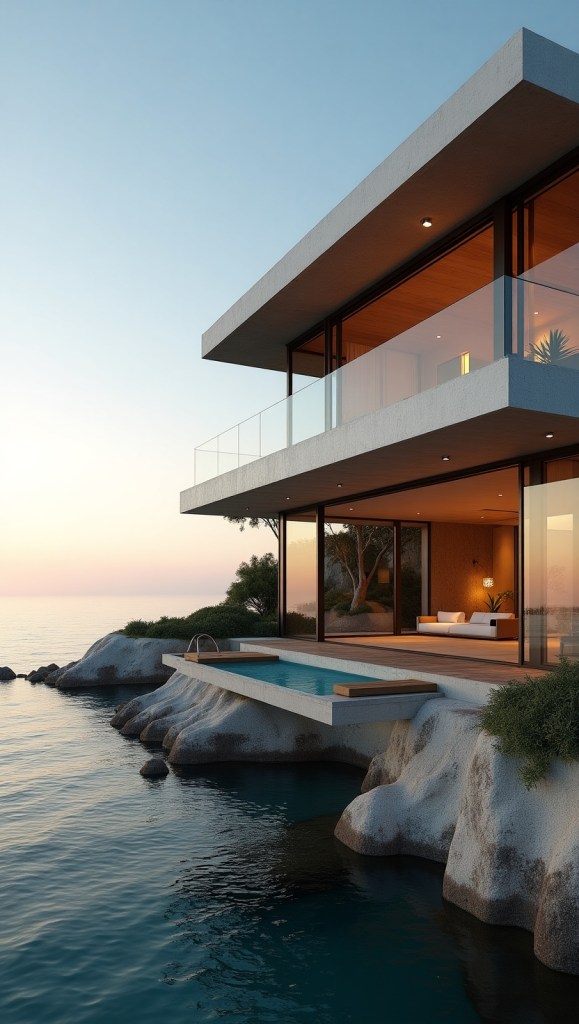
AI-Powered Solutions: Bridging Creativity and Technology
1. Predictive Analytics for Material Science
- Concept: AI algorithms analyze decades of environmental data to predict material performance.
- Tool Example: MaterialGenius recommends composites like marine-grade ceramics or UV-resistant textiles, balancing durability with aesthetics.
- Designer Benefit: Confidently select materials that withstand salt, humidity, and sun without sacrificing luxury.
2. Generative Design for Space Optimization
- Concept: AI generates layouts prioritizing views, privacy, and flow.
- Tool Example: SpaceAI creates 3D models with furniture arrangements that align with sightlines and natural light patterns.
- Designer Benefit: Quickly test layouts for irregular spaces, ensuring functionality and client satisfaction.
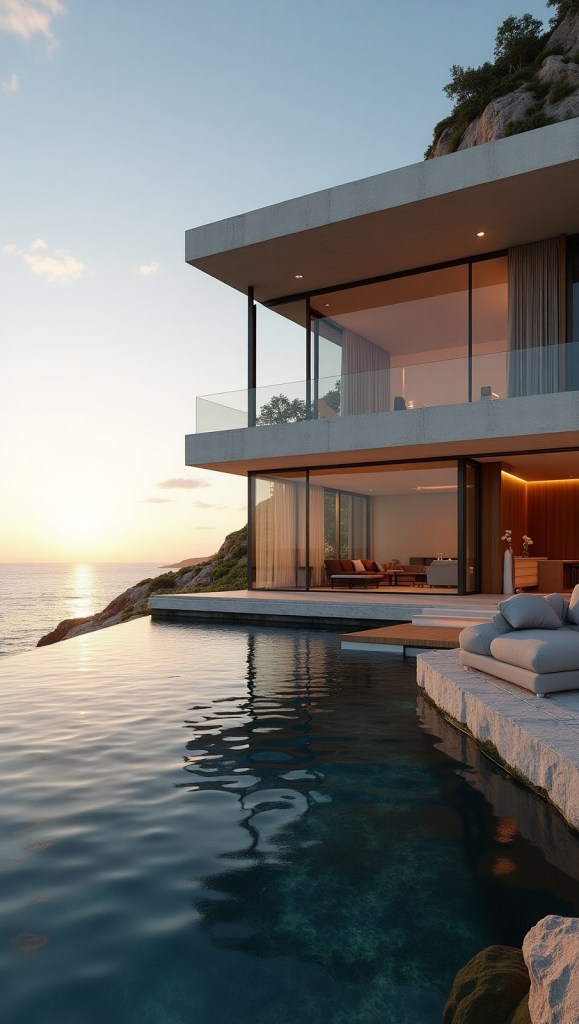
3. Climate-Adaptive Smart Systems
- Concept: AI-driven HVAC and moisture control systems adjust in real-time using weather forecasts.
- Tool Example: EcoHome AI integrates sensors to prevent mold by regulating humidity levels autonomously.
- Designer Benefit: Seamlessly incorporate hidden, energy-efficient tech into minimalist designs.
4. Immersive VR/AR Previews
- Concept: Clients “experience” designs in context, from sunrise views to storm simulations.
- Tool Example: LuxuryView VR overlays virtual furnishings onto real-world settings, adjusting for seasonal light changes.
- Designer Benefit: Reduce revisions by aligning client expectations early.
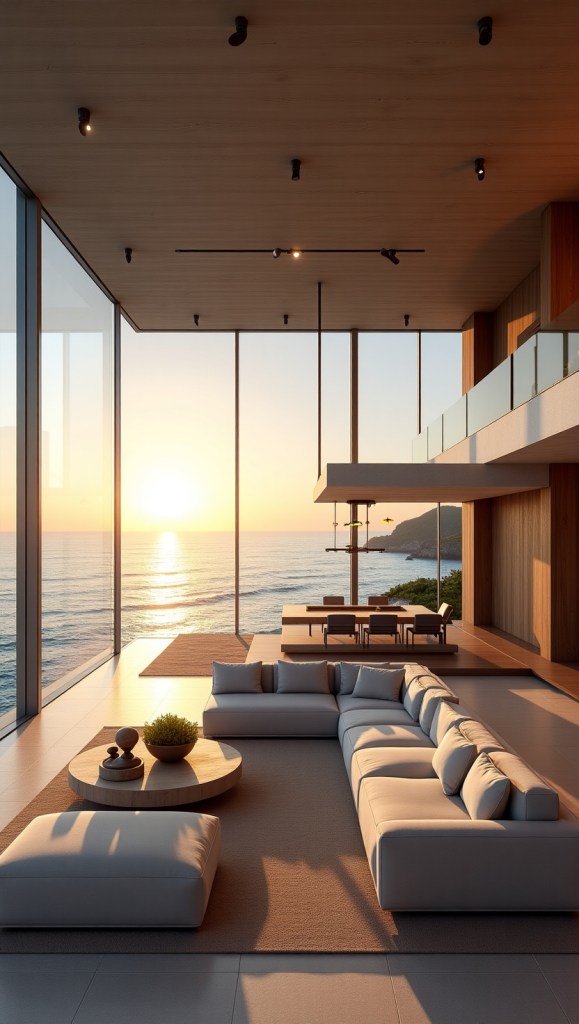
5. Regulatory Compliance Automation
- Concept: AI scans local building codes and environmental regulations, flagging design conflicts.
- Tool Example: CodeComply AI generates permit-ready reports and suggests compliant materials.
- Designer Benefit: Avoid costly delays and focus on creative tasks.
Case Study: AI in Action
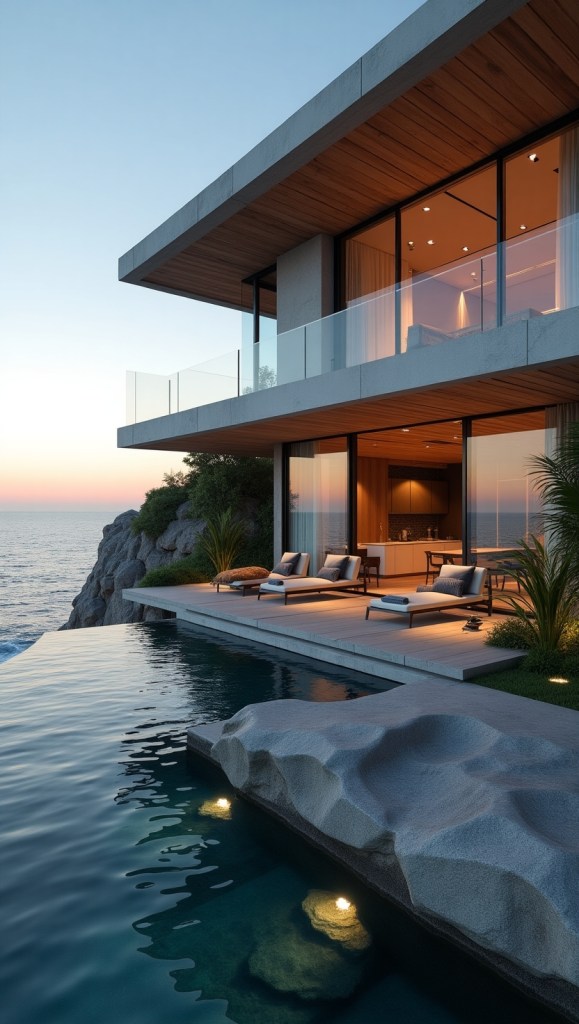
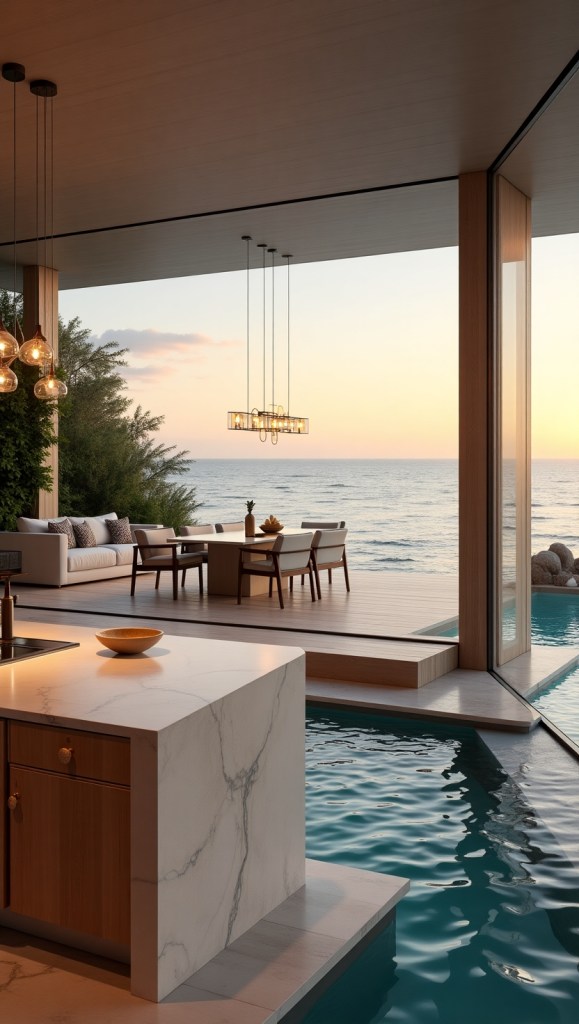
A coastal villa in Malibu faced erosion risks and strict zoning laws. Using TerrainAI, the design team simulated erosion patterns over 50 years, informing foundation choices. StyleSync AI then curated a biophilic palette of reclaimed teak and algae-based resins, approved by local regulators. Clients explored the final design via VR, ensuring the open-plan living area captured sunset views without compromising privacy.
Integrating AI Into Your Workflow
- Start Small: Use AI mood board tools (e.g., DesignBot) to quickly generate coastal-themed concepts.
- Collaborate with Tech Partners: Partner with AI startups for tailored solutions.
- Educate Clients: Showcase AI’s value through immersive previews and data-backed decisions.
Future Trends
- AI-Driven Biophilic Design: Algorithms that optimize organic shapes and natural material pairings.
- Self-Healing Materials: AI discovers coatings that repair minor scratches caused by sand or salt.
Conclusion
Waterfront luxury design no longer requires choosing between beauty and resilience. By leveraging AI tools, interior designers can innovate faster, meet regulatory demands, and deliver unforgettable spaces that harmonize with nature. Embrace AI as a collaborative partner—it’s the tide lifting your creative boat.
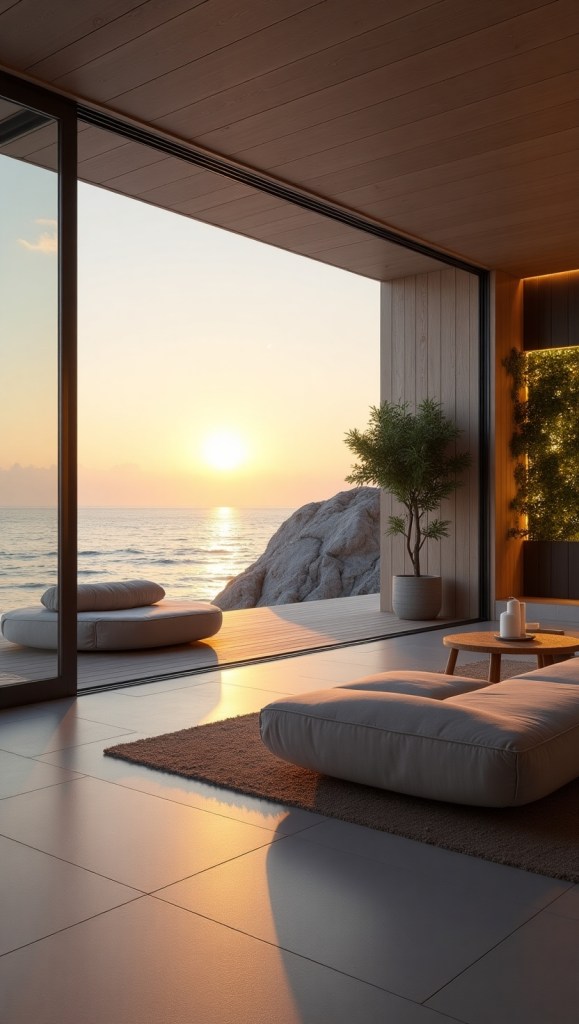
Transform challenges into opportunities, and let AI anchor your next waterfront masterpiece. 🌊✨


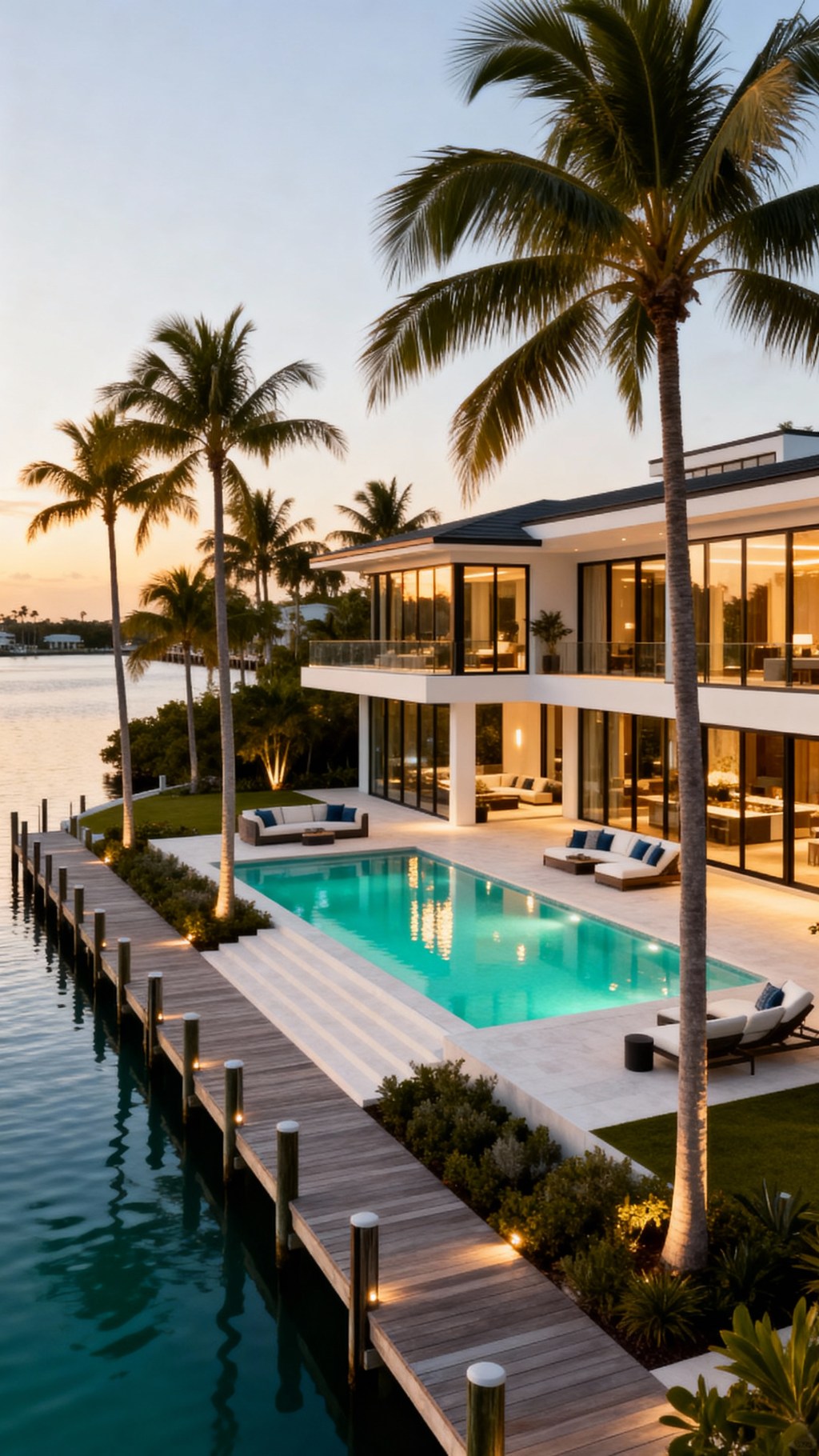

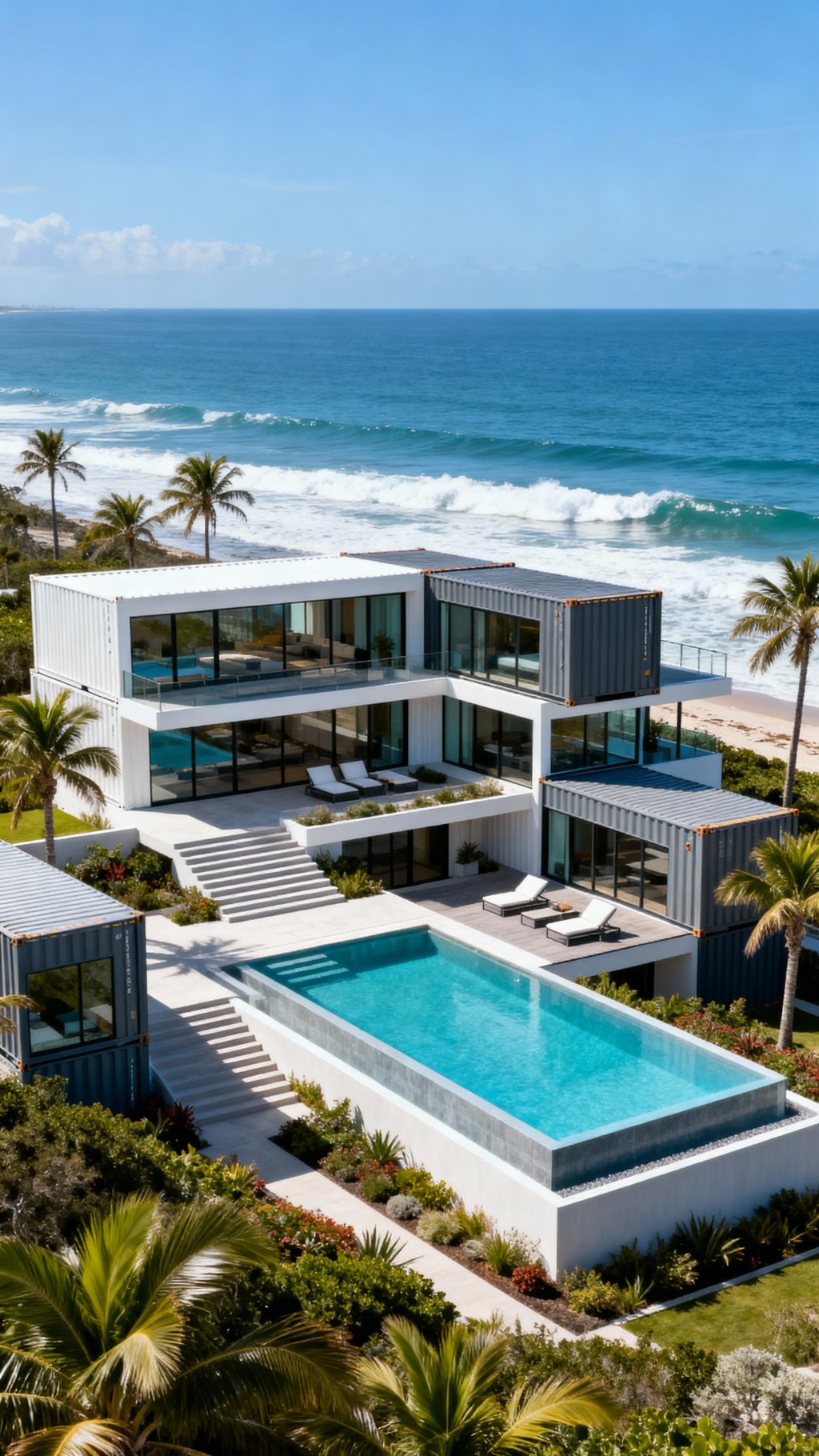
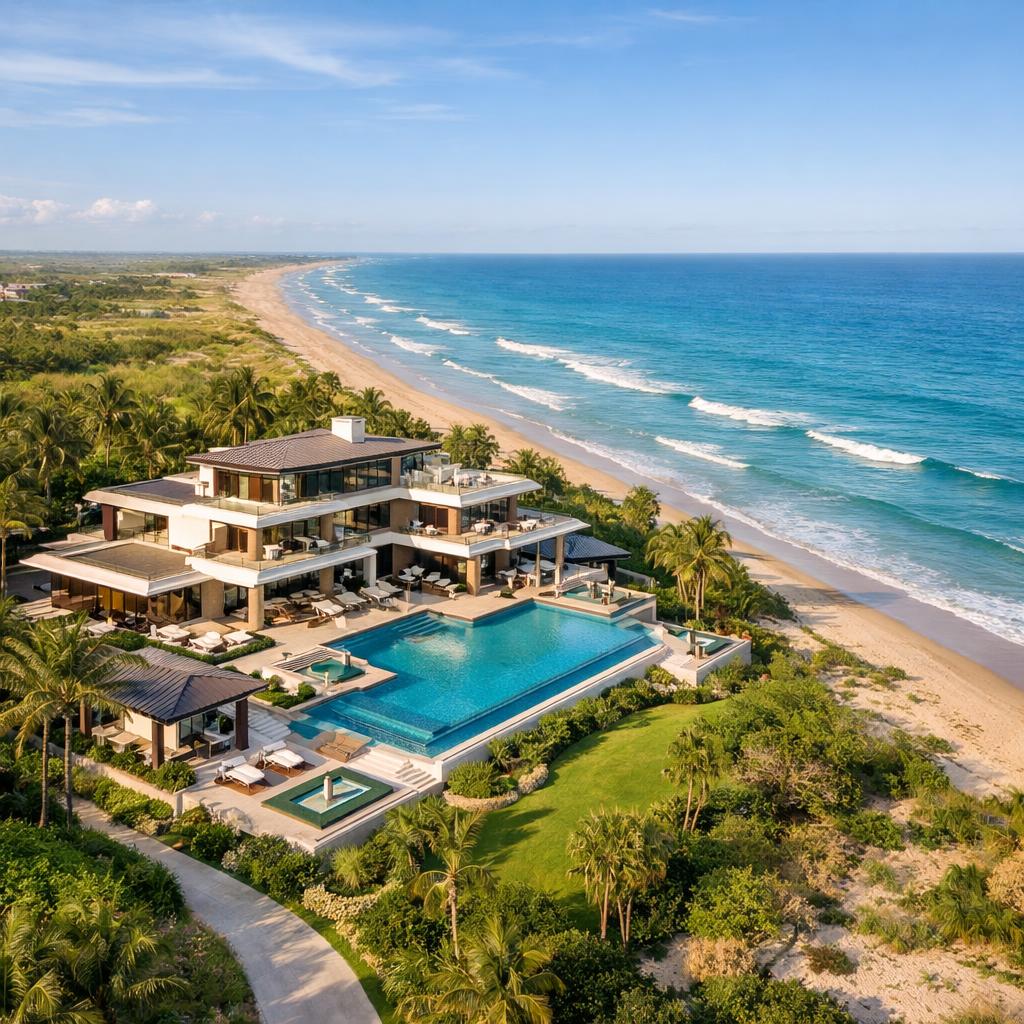


 Luxury Home AI: Dream Homes, Generated by AI
Leave a comment