
In today’s competitive real estate market, virtual staging has become a game-changer for agents looking to sell homes faster and at higher prices. Unlike traditional staging, which requires physical furniture and decor, virtual staging uses digital tools to transform empty or outdated spaces into attractive, move-in-ready listings.
But what’s the real return on investment (ROI) of virtual staging? Studies show that staged homes sell 50% faster than unstaged ones, and virtual staging makes this process more affordable and scalable.
In this article, we’ll explore how virtual staging boosts real estate sales, key tips for doing it effectively, and why it’s a must-have tool for modern realtors.
Why Virtual Staging Works (And How It Saves You Money)
1. Buyers Visualize Themselves Living There
An empty room leaves too much to the imagination. Virtual staging helps potential buyers see the full potential of a space, making it easier for them to emotionally connect with the property.
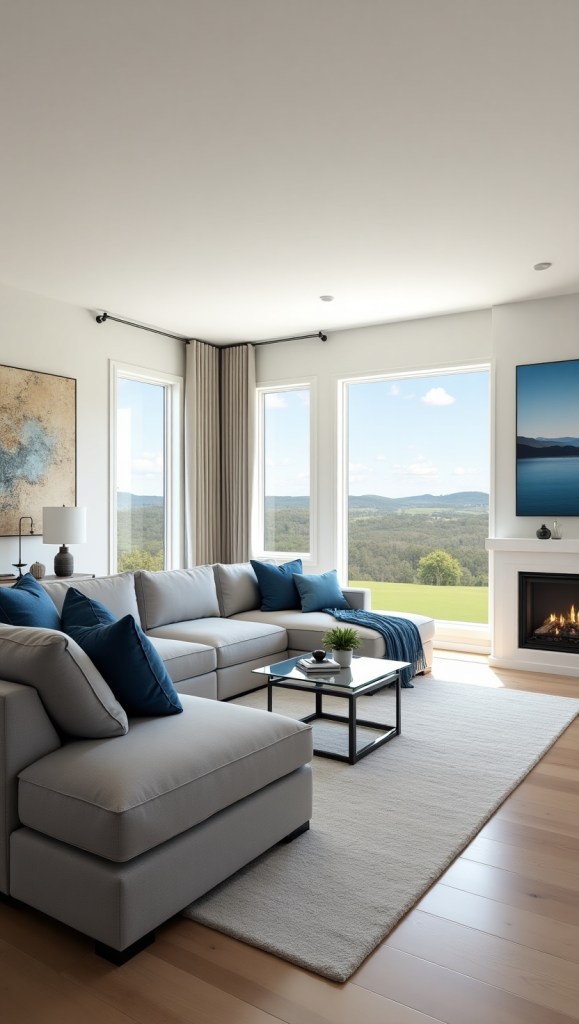
2. Faster Sales = Higher ROI
Homes that sit on the market lose value. With virtual staging, you can reduce days on market (DOM) and avoid price reductions by making listings more appealing from day one.
3. Cost-Effective Alternative to Traditional Staging
Traditional staging can cost thousands per property, while virtual staging is a fraction of the price—often as low as 50–50–150 per room.
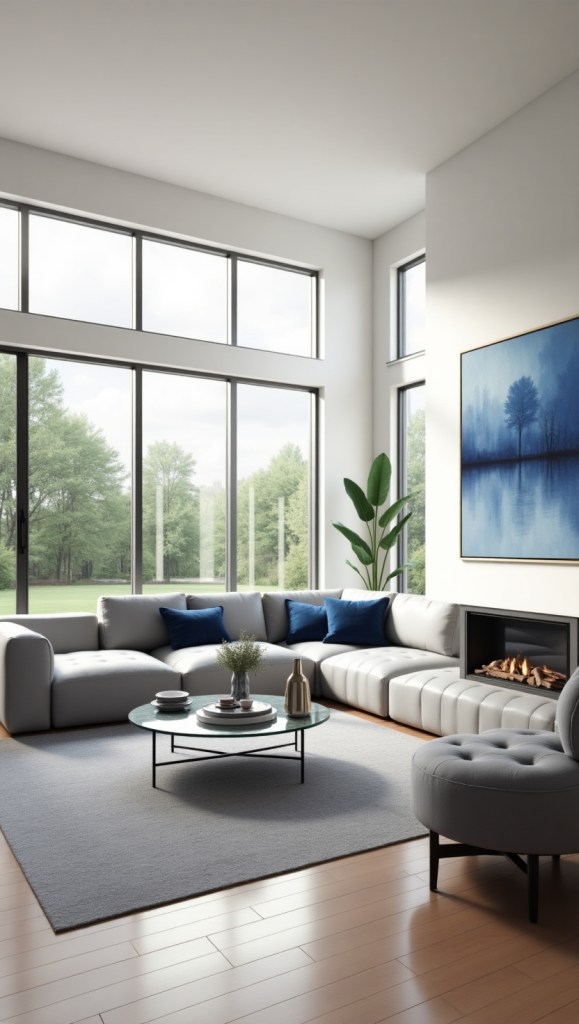
4. Flexibility to Match Buyer Preferences
With virtual staging, you can easily switch styles (modern, farmhouse, minimalist) to appeal to different buyer demographics without physically moving furniture.
5 Virtual Staging Tips to Maximize Your ROI
1. Focus on Key Rooms
Not every room needs staging. Prioritize:
- Living rooms (the heart of the home)
- Master bedrooms (creates an emotional connection)
- Dining areas (helps buyers envision hosting)
- Home offices (a must-have in today’s remote work era)
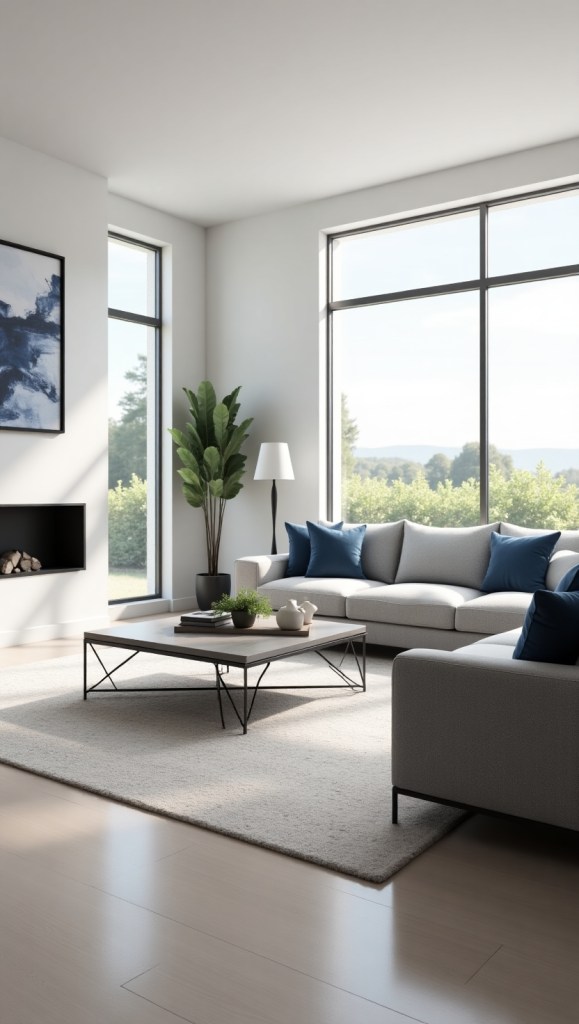
2. Keep It Realistic (Avoid Over-Designing)
- Use neutral, modern furniture that appeals to a broad audience.
- Avoid cluttered or overly stylized designs that distract from the space.
- Ensure proper scaling—oversized furniture makes rooms look smaller.
3. Highlight the Home’s Best Features
- If a room has great natural light, stage it to emphasize brightness.
- For small spaces, use sleek, space-saving furniture to enhance flow.
- In open-concept layouts, define zones (living, dining, kitchen) with staging.
4. Use Before & After Shots in Marketing
Showcasing before (empty) and after (staged) images proves the transformation and helps buyers appreciate the space’s potential.
5. Combine Virtual Staging with Professional Photography
Even the best staging won’t work with poor-quality photos. Invest in high-resolution real estate photography for maximum impact.
Final Thoughts: Is Virtual Staging Worth It?
The data speaks for itself: staged homes sell faster and for more money, and virtual staging makes this strategy accessible to every realtor. By investing in high-quality virtual staging, you can:
✅ Close deals 50% faster
✅ Save thousands compared to traditional staging
✅ Attract more online buyers with eye-catching listings
If you’re not using virtual staging yet, now’s the time to start. With the right approach, you can turn vacant properties into irresistible listings and give yourself a competitive edge in today’s market.
Need help staging your next listing? Try a virtual staging service today and see the difference it makes in your sales cycle!









 Luxury Home AI: Dream Homes, Generated by AI
Leave a comment