We’ve all felt it: that sharp, almost magnetic tug towards something just out of reach. The limited-edition watch, the exclusive club membership, the dream vacation perpetually “next year.”
This intense yearning for the unattainable isn’t mere caprice; it’s a powerful psychological phenomenon deeply rooted in our brains and brilliantly leveraged by the world of luxury. Understanding this dynamic offers profound insights into our own motivations and the strategies that shape desire.

The Neuroscience of the Chase: Wanting vs. Having
At the core of this experience lies a critical distinction in our brain’s reward system: the separation between “wanting” and “liking.”
- Dopamine: The Driver of Desire: The neurotransmitter dopamine is less about the pleasure of obtaining something and more about the anticipation and pursuit of a reward. When we encounter something desirable and perceive it as scarce or difficult to obtain, dopamine surges. This fuels motivation, focus, and that potent feeling of wanting. The uncertainty of attainment actually heightens this dopamine release, making the chase itself exhilarating.
- The “Forbidden Fruit” Effect: Our brains assign higher value to things that are restricted, rare, or exclusive. This is partly due to reactance – a psychological pushback against perceived threats to our freedom. When something is unattainable, our desire to possess it (and thus restore our sense of choice) intensifies. Neurologically, this restriction amplifies the dopaminergic response in areas like the nucleus accumbens, a key hub for motivation and reward processing.
- Idealization and the Imagination Gap: When something is out of reach, we fill the void with imagination. We tend to idealize the unattainable object or experience, focusing only on its positive attributes and downplaying potential drawbacks. This mental gap between reality and our idealized projection further fuels the desire, creating a powerful feedback loop in our neural reward pathways.

Luxury Marketing: Masterfully Tapping the Unattainable
The luxury industry understands this neuropsychological playbook intimately. Their strategies are often deliberate exercises in creating and managing perceived scarcity and exclusivity:
- Artificial Scarcity: Limited editions, numbered series, invitation-only releases, and “one-of-one” pieces are staples. This isn’t just about controlling supply; it’s about triggering the dopamine-driven desire for the rare and exclusive. The message is clear: “Not everyone can have this.”
- Tiered Exclusivity: Creating layers of access – from entry-level products to ultra-exclusive, by-invitation-only tiers – fuels aspiration. Owning the entry item becomes a stepping stone, activating the desire for the next, even more unattainable level. The chase continues.
- The Power of the Waitlist: A waiting list isn’t merely a queue; it’s a psychological tool. It signals desirability and scarcity. The anticipation built during the wait amplifies the eventual reward (if it comes), further fueled by dopamine. The uncertainty of if and when heightens the allure.
- High Barriers to Entry: Exorbitant prices are the most obvious barrier, but others include complex application processes, location exclusivity (only available in specific boutiques/cities), and heritage requirements (e.g., certain haute couture houses). These barriers don’t deter desire; they validate it, signaling that the object is truly for a select few.
- Narrative of Rarity: Marketing emphasizes the craftsmanship, unique materials, and time-intensive processes involved. This narrative reinforces the idea that the product cannot be mass-produced, making it inherently scarce and more desirable.

Harnessing the Insight: Value for the Reader
Understanding this psychology isn’t just about recognizing marketing tactics; it’s about gaining self-awareness and making more conscious choices:
- Decode Your Own Desires: When you feel that intense pull towards something unattainable, pause. Ask yourself: Is this about the object itself, or the thrill of the chase and the dopamine hit? Are you idealizing it? Separating the intrinsic value from the psychological allure of scarcity is empowering.
- Mindful Consumption: Recognize when marketing is deliberately triggering your scarcity sensitivity. Does this item truly align with your values and needs, or is its appeal primarily based on its exclusivity? Make purchasing decisions based on authentic appreciation, not just the fear of missing out (FOMO).
- Appreciate the Accessible: The neuroscience shows that the pleasure of liking (enjoying what you have) involves different brain pathways (e.g., opioid systems) than the frenzy of wanting. Cultivating gratitude and deep appreciation for accessible joys and possessions can provide more sustainable satisfaction than the constant pursuit of the unattainable.
- Reframe “Scarcity”: Instead of seeing exclusivity as the sole measure of value, seek value in quality, craftsmanship, personal meaning, and experiences that enrich your life, regardless of how many others have access to them.

The Enduring Allure
The human attraction to the elusive is a complex dance between ancient neural wiring and sophisticated modern influence. Luxury brands expertly compose the music, but we control whether we dance.
By understanding the powerful neuroscience of desire and the mechanics of exclusivity marketing, we gain the clarity to appreciate true value, make intentional choices, and find deeper satisfaction, both in the rare treasures we might acquire and the abundant joys already within our grasp. The greatest luxury may be the freedom to desire wisely.


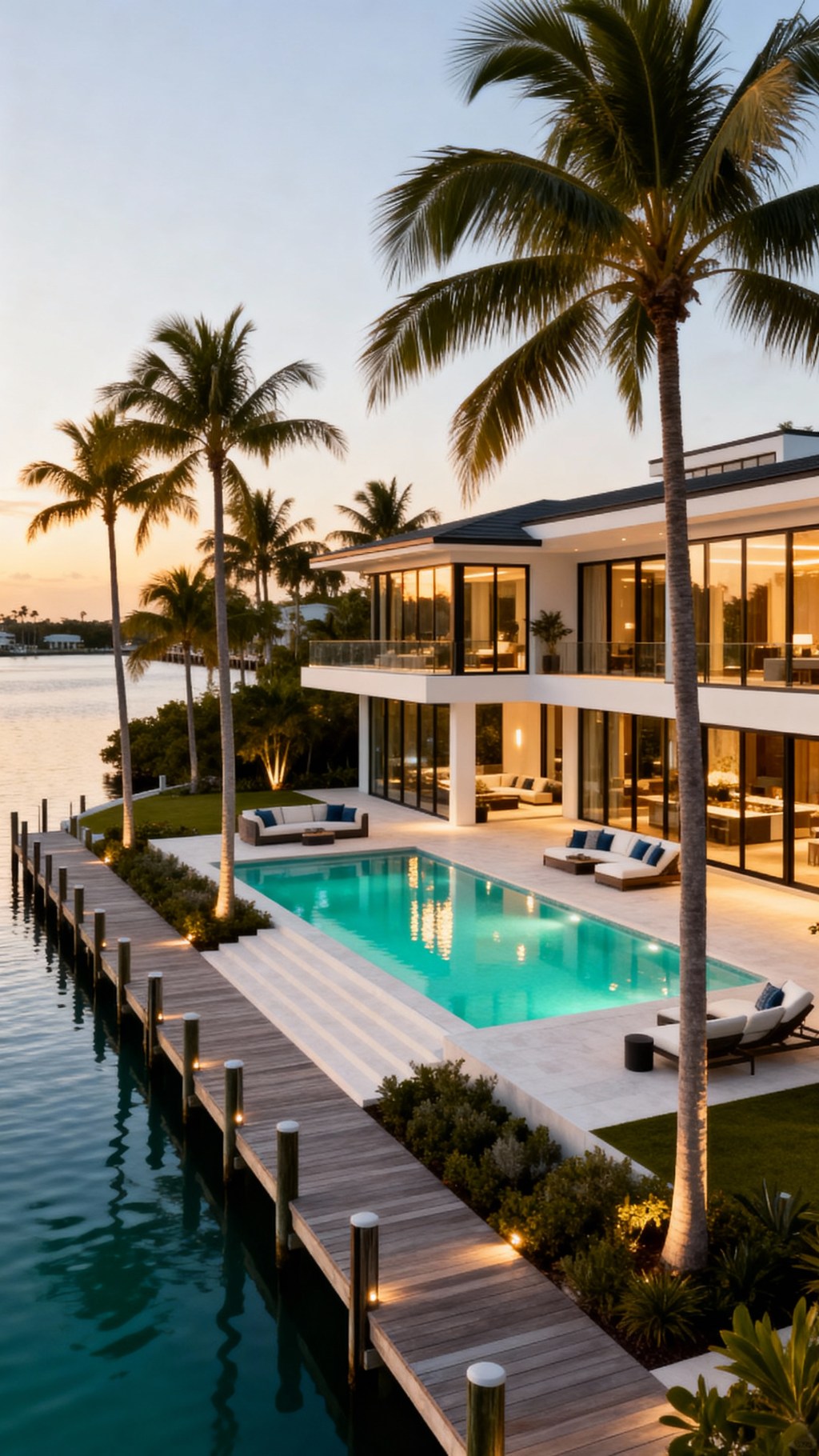

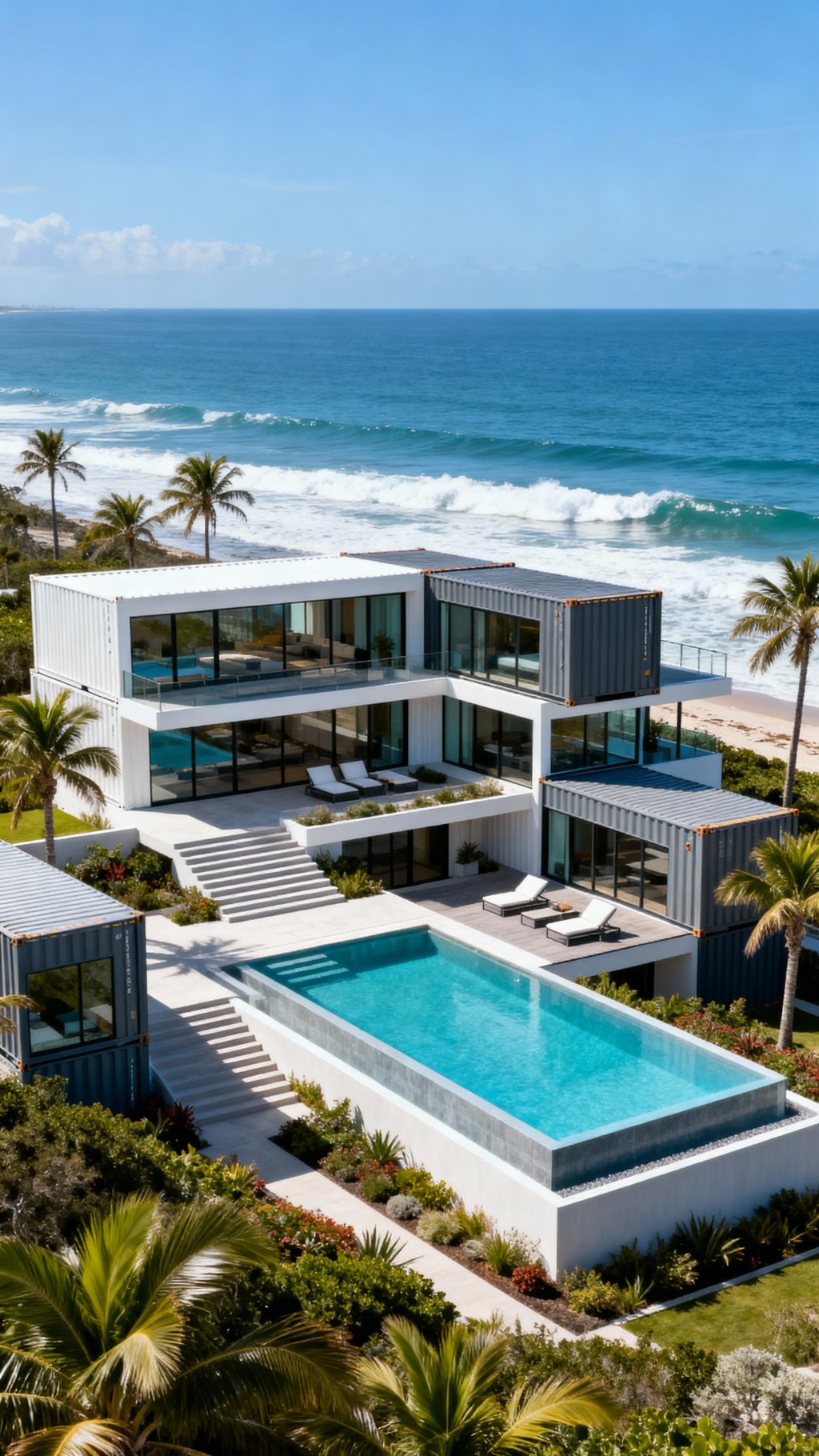



 Luxury Home AI: Dream Homes, Generated by AI
Leave a comment